Welcome to Tri-Area Community Health
Nutrition and Diabetes
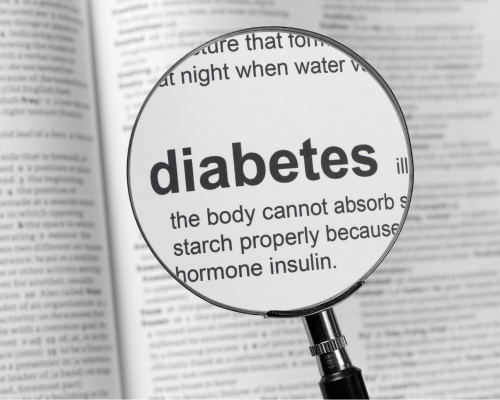
What Is Diabetes?
Diabetes is a disease in which the body does not produce enough insulin (Type1) or does not properly use insulin (Type II). Although Type I often occurs in childhood, Type II is now seen among many children as well as adults. In some cases, Type II can actually be reversed through changes in diet, stress management and physical activity. In all cases, people can live healthy and productive lives with diabetes if they have regular check-ups, exercise, eat healthfully and take their medicines as directed.
Treating Diabetes
Healthy living is an important part of preventing and controlling diabetes. Here are the Big 3:

Weight Control
When you have diabetes, being overweight brings added risks. Find the best strategy to keep extra weight off and stay healthy.
By losing just a few pounds with healthy eating and exercise, you’ll start to feel better. You’ll have more energy. And it will get easier to manage your diabetes, all while reducing your risk of developing other related problems.
The key to weight loss for most people is simply finding the right combination of exercise, healthy foods and portion control. No fad diet required.

Exercise
Along with your diet and medications, regular physical activity is an important part of managing diabetes or dealing with prediabetes. Because when you’re active, your cells become more sensitive to insulin so it works more effectively to lower your blood glucose, also known as blood sugar.
Walking for 30 minutes nearly every day is a great way to start—and it will also help with your blood pressure and cholesterol.

Diet
Healthy eating is as important as ever. To lose weight, reduce calories. Avoid sugar, sugary drinks, and other sweets. Limit refined grain products, such as white bread and white rice, as well as white potatoes. Eat lots of high-fiber-foods—whole grain products, brown rice, beans, fruits, and veggies. Choose low-fat dairy products.
Get your protein from fish, poultry, and small portions of lean meat. Avoid processed meats, snack foods, and other high salt items. Use olive and canola oils, but not animal fat or partially-hydrogenated oils that show up in fried foods, stick margarine, and snack foods.
Tri-Area Community Health offers several opportunities for patients and community members to attend health education classes.
We offer diabetes education classes through the University of Virginia Telemedicine Program. These classes are led by Carla Horton, RN, CDCES. Carla is a Certified Diabetes Care and Education Specialist and is available by appointment to help educate you or a loved one about diabetes. If you have diabetes or would just like to learn more to help a loved one who has it, please call 276-398-2292 to see when our next diabetes education classes are scheduled or to set up a time to meet with Carla.
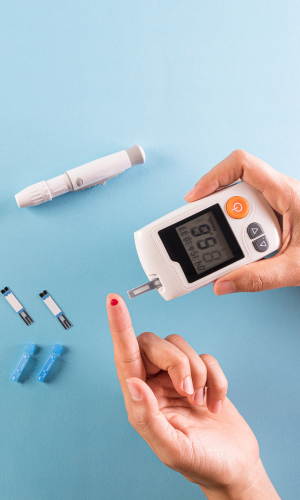
Why You Should Test Your Blood Sugar?
People aged 45 and older should be tested with either the A1C or Fasting Blood Sugar Test every 3 years. People younger than 45 should also be tested as often as every year if they have a body mass index of 25kg/m or higher and one or more of the following additional risk factors:
- · Have a mother, father, brother, or sister with diabetes.
- · Are physically inactive.
- · Are of African American, Asian, American, Hispanic American, Native American, or Pacific Islander decent.
- · Have given birth to a baby weighting more than 9 lbs. Or had diabetes during pregnancy.
- · Have blood pressure of 140/90 or higher
- · Have abnormal blood cholesterol levels such has HDL cholesterol levels below 35 mg/dL or triglyceride levels higher than 250mgdL.
- · Have had impaired glucose tolerance or impaired fasting glucose when previously tested for diabetes.
- · Have polycystic ovary syndrome or a history of vascular problems.
Our Nutrition and Diabetes Medical Providers
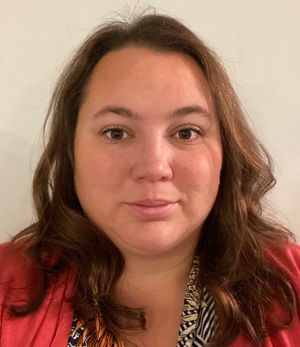
Kelsey Baugher
Kelsey is a Registered Dietitian who's passionate about making nutrition simple, realistic, and enjoyable.
She graduated from Radford University and completed her internship at Wellness Workdays out of Boston, Massachusetts.
Kelsey focuses on personalized counseling, clear education, and realistic, sustainable change and takes a supportive, judgment-free approach to every session.
Her goal is to help clients find what works for them, not force rigid rules or restrictions. She enjoys helping people feel confident in their food choices—whether that means managing a health condition, improving energy, or building healthier habits.
When she is not working with clients, she enjoys baking bread, hiking, riding horses and spending time with her family.
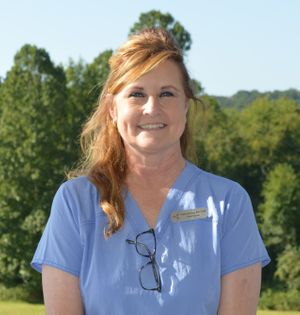
Carla Horton, RN, CDCES
We offer diabetes education classes through the University of Virginia Telemedicine Program.
These classes are led by Carla Horton, RN, CDCES. Carla is a Certified Diabetes Care and Education Specialist and is available by appointment to help educate you or a loved one about diabetes. If you have diabetes or would just like to learn more to help a loved one who has it, please call 276-398-2292 to see when our next diabetes education classes are scheduled or to set up a time to meet with Carla.
As a member of the Tri-Area Health Care team, a Diabetic Educator can help make managing your diabetes easier. They can work to develop a plan especially for you and provide tools to make lifestyle changes, help with medications, and support to make these changes become a part of your life. A Diabetic Educator will work with your Provider to help delay the onset of Type 2 Diabetes and help manage Diabetes by leading a healthier Lifestyle.
Make an appointment to see your Diabetes Educator today!!